How Professionals Safely Remove Mold Without Spreading Spores in Redington Shores
Mold doesn’t just damage homes—it spreads silently through the air, often worsening before homeowners even notice. In our coastal climate, humidity and hidden water intrusion make Redington Shores a hotspot for persistent infestations. We use industrial-grade containment and filtration to stop spores in their tracks before, during, and after removal.
Why Mold Spores Spread During DIY Removal
Disturbing mold without containment releases millions of spores into the air. Even dead mold can trigger allergic reactions, and microscopic particles travel easily through HVAC systems to other rooms.
Common mistakes include using household fans, dry-brushing surfaces, or running central air during cleanup. These actions turn a localized problem into a whole-home contamination risk.
Never use a regular vacuum or sweep moldy areas. Standard vacuums lack HEPA filtration and will blow spores back into the air.
How Professionals Contain Mold Before Removal
We start with physical barriers—6-mil polyethylene sheeting—to seal off the work area from the rest of the home. This creates a controlled zone where spores can’t escape.
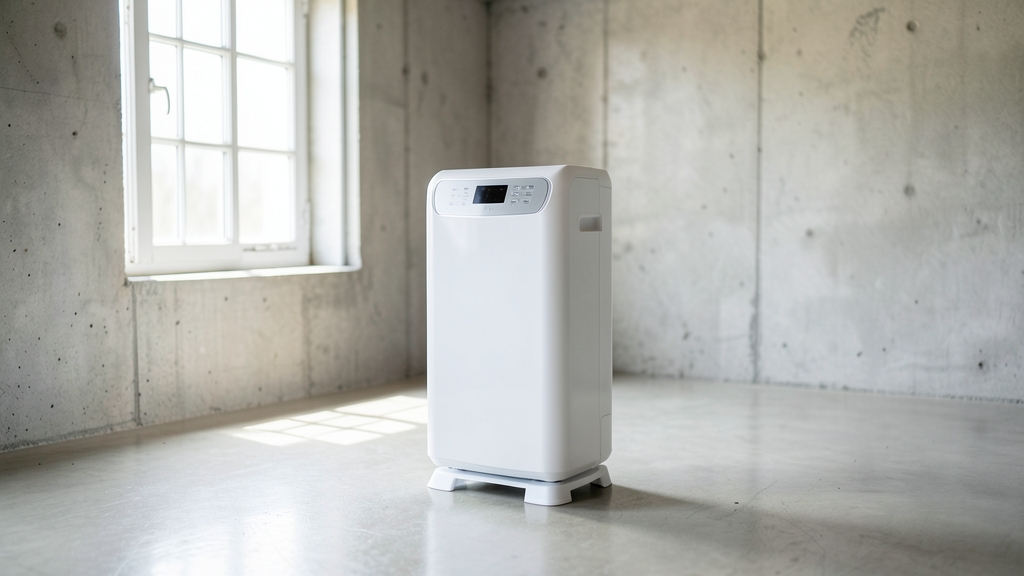
Negative air pressure machines pull air from the contaminated space through HEPA filters, ensuring spores are captured, not released. These systems run continuously during remediation.
The Role of HEPA Filtration in Spore Control
HEPA air scrubbers capture particles as small as 0.3 microns with 99.97% efficiency. Mold spores typically range from 1 to 20 microns, making HEPA the gold standard for filtration.
We position scrubbers strategically—near entry points, inside containment, and in adjacent areas—to create layered protection. This is especially critical in humid areas like North Redington Beach and Madeira Beach, where spores thrive.
| Filter Type | Particle Capture Size | Effectiveness for Mold Spores |
|---|---|---|
| Standard Furnace Filter | 10+ microns | Poor |
| High-Efficiency MERV 13 | 1-3 microns | Moderate |
| True HEPA | 0.3 microns | Excellent |
Step-by-Step: Safe Mold Removal Techniques
After containment, we use antimicrobial solutions to treat surfaces, killing mold at the root. This isn’t just bleach—it’s EPA-approved fungicides designed for porous and non-porous materials.
For heavily infested drywall or insulation, removal is often necessary. We bag and dispose of contaminated materials in sealed, labeled containers to prevent spore release during transport.
Moisture Control: The Key to Preventing Regrowth
Mold always returns without fixing the water source. In Redington Shores, common culprits include leaky pipes, poor ventilation in attics, and groundwater seepage in crawl spaces.
We use moisture meters and thermal imaging to detect hidden leaks behind walls or under flooring. Dehumidifiers and improved airflow are critical in areas like Indian Shores and Redington Beach, where humidity stays high year-round.
Post-Remediation Moisture Checks
- Inspect for water stains or musty odors
- Test humidity levels (ideal: 30-50%)
- Check HVAC drip pans and drainage
- Verify proper attic and crawl space ventilation
PPE and Safety Protocols for Technicians and Residents
Our team wears full PPE: N95 or P100 respirators, gloves, goggles, and disposable coveralls. This protects us and ensures we don’t carry spores to other jobs or into clean areas of your home.
Residents are advised to stay out of containment zones. We also recommend temporarily relocating pets, as they’re often more sensitive to airborne spores than humans.
If the infestation is severe (e.g., black mold in HVAC ducts), we may recommend vacating the home for 24-48 hours. This is rare but prioritizes health.
Air Quality Testing: Confirming Spore Levels Are Safe
After remediation, we conduct clearance testing using spore traps or surface sampling. This confirms mold levels are back to normal, indoor baselines.
In Florida, outdoor spore counts are naturally higher, so we compare indoor results to local outdoor samples. This step is critical for commercial mold remediation, where liability and health codes are stricter.
How to Inspect for Hidden Mold in Your Home
Early detection prevents widespread contamination and costly damage.
- 1Check for Visual Signs
Look for black, green, or white spots on walls, ceilings, or under sinks. Pay special attention to bathrooms, basements, and attics.
- 2Follow Your Nose
Musty odors often indicate hidden mold behind drywall or under carpeting. Trust your sense of smell—it’s often the first clue.
- 3Inspect for Water Damage
Stains, peeling paint, or warped flooring suggest past or current leaks. Use a flashlight to check behind furniture and appliances.
- 4Monitor Humidity Levels
Invest in a hygrometer. If humidity stays above 60% in any room, mold growth is likely without intervention.
- 5Look for Condensation
Windows, pipes, and ductwork with frequent condensation are red flags. Address these areas with insulation or dehumidifiers.
- 6Call a Professional
If you find mold or suspect hidden growth, stop DIY efforts. Request a quote for a thorough mold inspection and testing.
Frequently Asked Questions
Can mold spores travel between floors in a home?
Yes. Spores are lightweight and can drift through HVAC systems, stairwells, or even small gaps in flooring. That’s why containment is critical during remediation, especially in multi-story homes common in Redington Shores.
Is black mold more dangerous to remove than other types?
Black mold (Stachybotrys) produces mycotoxins that can cause severe health effects, but all mold should be treated seriously. The removal process is similar, but PPE and containment are even more critical with toxic varieties.
How long does professional mold remediation take?
Most residential projects take 1-5 days, depending on the size and severity of the infestation. Larger or commercial jobs in areas like Madeira Beach may require a week or more. We provide a timeline after the initial inspection.
Will mold come back after remediation?
Only if the moisture source isn’t fixed. We address the root cause—whether it’s a leak, poor ventilation, or high humidity—to ensure mold doesn’t return. Regular maintenance and moisture control are key.
Do I need to test for mold if I can already see it?
Visible mold confirms a problem, but testing helps identify the type and spore count. This is useful for health concerns or insurance claims. In Redington Shores, where humidity fuels growth, testing also reveals hidden mold in attics or crawl spaces.
Can I stay in my home during mold remediation?
For minor, contained infestations, you can usually stay. For severe cases—especially with toxic mold or HVAC contamination—we may recommend temporary relocation. Safety is our top priority.